
San Benito Previous Residents by Era
A backward search for San Benito previous residents works best when the source matches the period. The deed chain tracks recorded ownership, not every person who stayed at the address. Telephone directories and newspapers can add a dated name or address clue. Census records show people together at one point in time. City permits, cemetery records, and probate files can explain a change in the trail, but each has its own access limits.
| Source | Years it covers | Where held | What it shows |
|---|---|---|---|
| Cameron historic deed index | 1830–1968 | Kofile and Cameron County Clerk | Recorded conveyance index; linked documents for much of 1830–1957, not occupancy |
| County records management | Historic books and record groups | San Benito county annex | Civil, probate, deed, official, plat, and financial record access where the online trail stops |
| Rio Grande Valley Telephone Directory | Verified issues, 1945–2005 | UT Briscoe Center citation/catalog | Regional subscriber and address clue; confirm the issue image and San Benito section |
| San Benito Light | 1914–1925 | UNT Portal to Texas History | Notices, names, address references, and local events in OCR and page images |
| Federal census | Released through 1950 | National Archives and partner archives | Historical household snapshot, not a current address result |
| Permits and inspections | Coverage cutoff not stated | County CivicAccess or city office | Project, inspection, status, case, and date clues where public |
Start with CAD and the deed index when the address is current enough to identify a parcel. Begin with a telephone directory, newspaper, census, or Historical Society request when the question is older. The sources can overlap, but they should not be treated as interchangeable.
Freeze a San Benito Parcel First
Before tracing past residents, save the current parcel identifiers. Cameron CAD Property Search accepts a physical address, owner name, PID, or GEO ID. Preserve the situs address, mailing address, current owner field, PID/GEO ID, and legal description. The situs is the parcel location. The mailing address is where correspondence goes and may be elsewhere. A legal description gives the deed language that can survive an old street spelling or a missing street number.
Cameron Property Alerts provides free email alerts for a custom keyword or a found real-property document. It can flag a later filing tied to a name or keyword, but it is not a deed search, ownership finding, or determination of an improper filing.
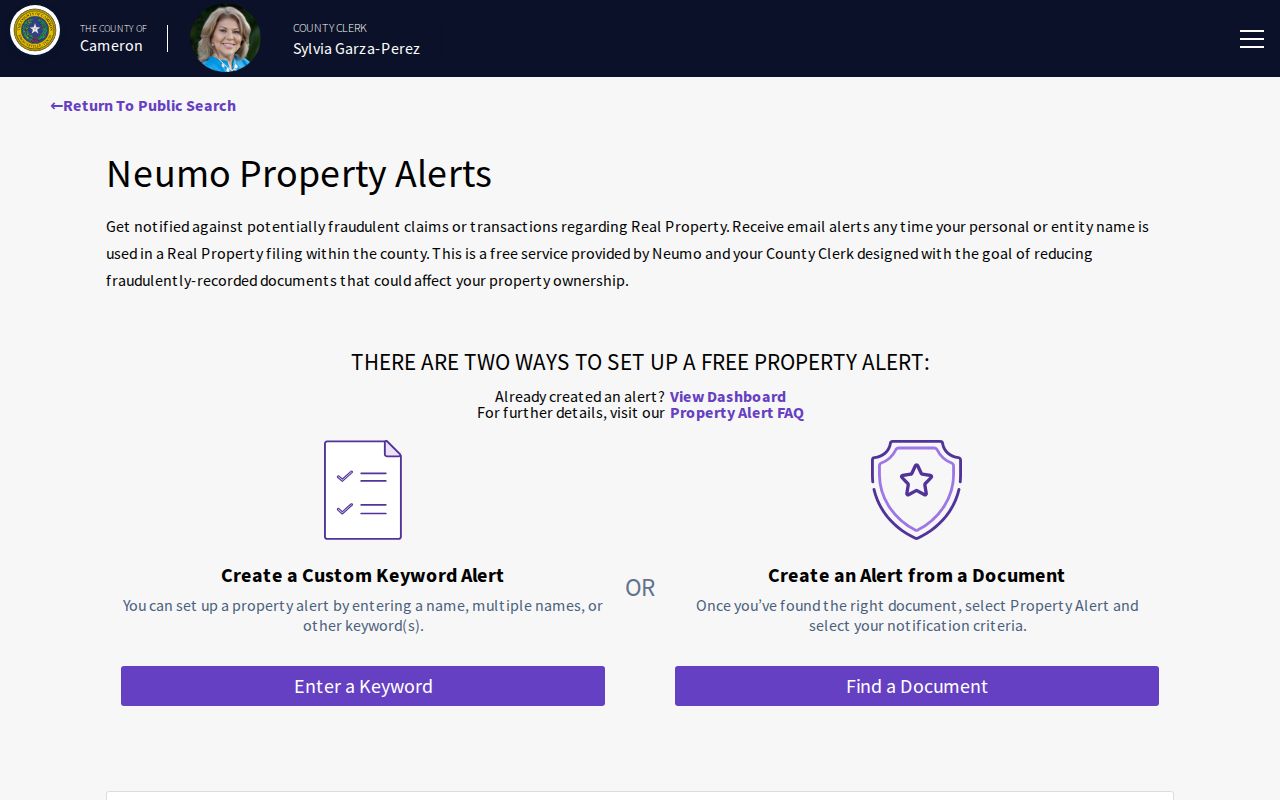
Use an alert as a future notice tool after the parcel trail is documented, not as a substitute for reading the recorded instrument.
Cameron Deeds and San Benito Previous Residents
The deed chain is the backbone for San Benito previous residents when the question is ownership over time. Use the parcel’s legal description to find a current purchase deed in Cameron Official Records or the historic Kofile index. The seller in that deed is the next name to search as a prior grantee. Each step must keep the legal description consistent. An address match alone can fail when a street label changed, was abbreviated differently, or was never used in the instrument.
- Save the current CAD owner field, situs address, PID/GEO ID, and legal description.
- Find the current owner’s acquisition instrument in the current Official Records portal or historic index and note the grantor, grantee, recording date, and book/volume/page or document number.
- Search the seller from that instrument as a grantee to locate the earlier acquisition tied to the same legal description.
- Repeat the sequence backward, logging each transfer, referenced plat, execution date when shown, and image availability.
- When the web image is absent, take the book and page to the County Clerk or Records Management rather than filling the gap with an assumption.
- Grantor
- The party conveying an interest in a recorded instrument, often the seller in a purchase deed.
- Grantee
- The party receiving the interest. In a backward chain, a prior seller can be searched as the earlier grantee.
- Chain of title
- The sequence of recorded transfers for the same property. It documents conveyances, not continuous presence.
- Legal description
- The lot, block, subdivision, or metes-and-bounds wording that identifies land in a deed more reliably than an informal address.
San Benito's 1957 Deed Image Boundary
Cameron’s historic index spans 1830 through 1968, with linked documents described for much of the 1830 through 1957 range. The index can still point to an earlier transfer after a document link ends, but the image may require a clerk or records-management follow-up. That boundary matters in a prior-resident search: an index placement can identify parties and a book reference without showing the full instrument.
Cameron County Clerk Records Management describes the San Benito facility and its historic groups, including Real Estate Book F for 1853–1857 and Marriage Book A for 1848–1855.
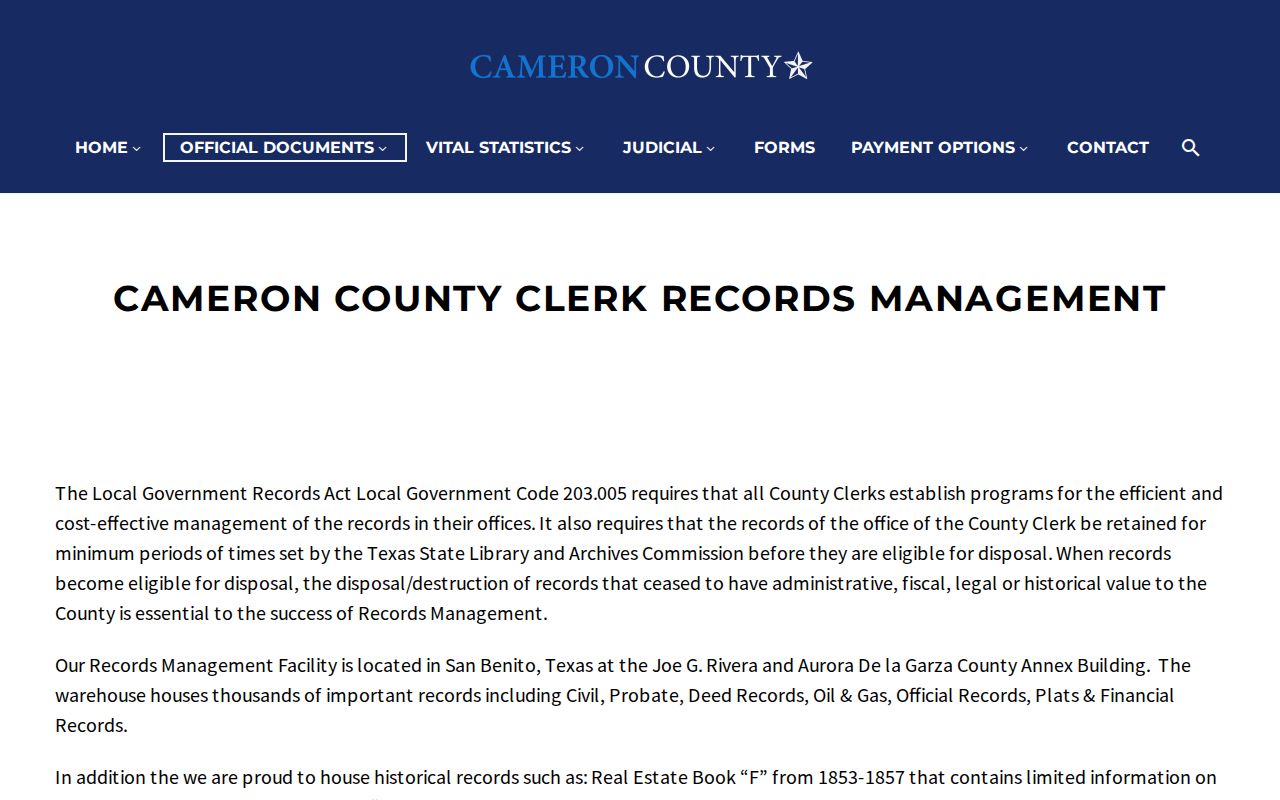
The named books are county-wide historical sources, not proof that a particular person lived in San Benito. They are useful leads when a deed, family, or marriage reference predates the city’s twentieth-century development.
Past San Benito Residents in Telephone Books
UT Briscoe’s verified Rio Grande Valley Telephone Directory run supplies a mid-century date spine from 1945 through 2005. The collection is regional, covering San Benito with Cameron County and nearby communities, rather than a confirmed city-only shelf. Request or inspect the right dated issue, then record the exact name, initials, street, telephone exchange, and any business reference shown. Do not assume every issue has a separate San Benito section or an address-arranged reverse portion.
The Texas State Library and Archives city-directory guide explains the kinds of name, address, telephone, spouse, and other entry details that historical directories can contain, along with its Reading Room access limits.
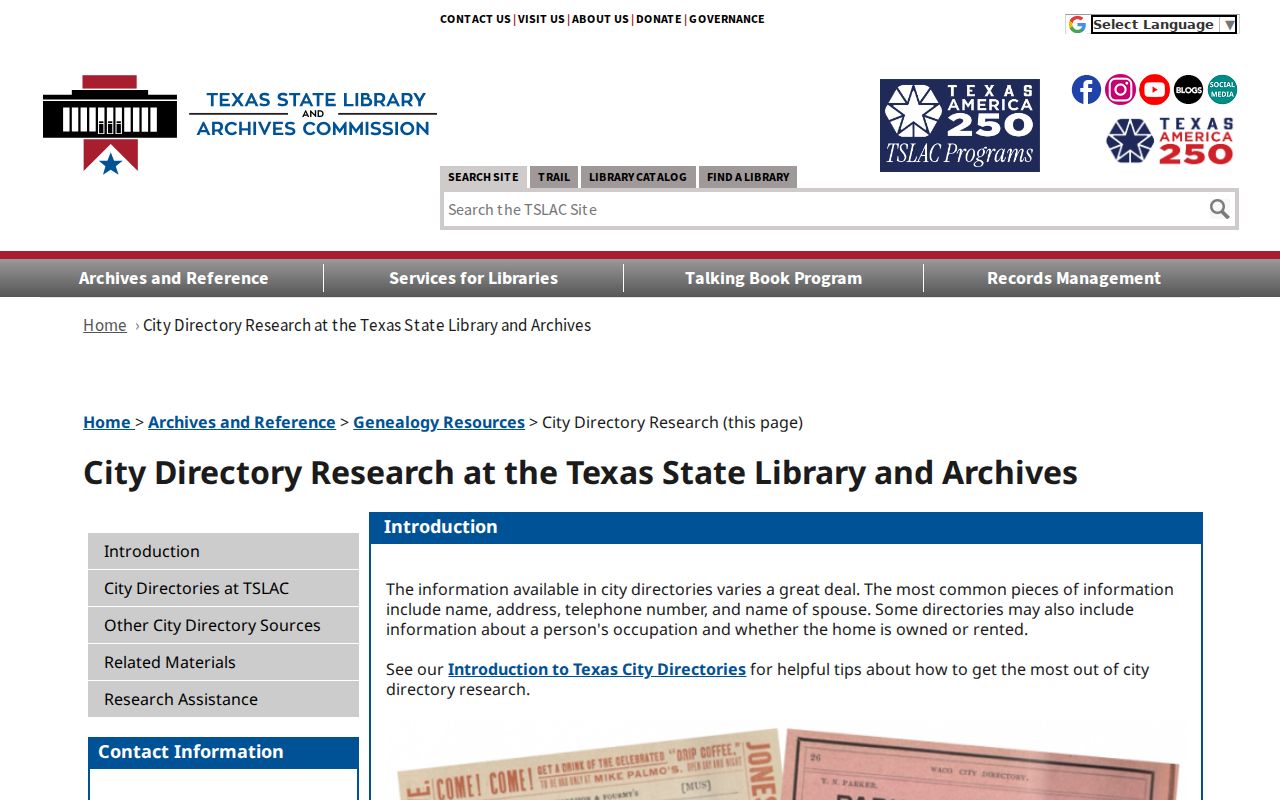
The guide is a route to directory research, not confirmation of a particular San Benito shelf year or an address-arranged local volume.
The San Benito Historical Society is a second route for business directories, tax rolls, maps, people files, and newspapers. Its remote research requests should include names, approximate dates, relationships, and sources already searched. The Society’s stated remote backlog was two to three months at inspection, so a detailed parcel and deed log makes the request more useful.
San Benito Address Continuity
Older San Benito clues may use a street spelling, landmark, postal label, or subdivision description that differs from the modern address. No official dated citywide renumbering or street-renaming list was located, so do not invent one to make a match fit. Instead, preserve the lot, block, subdivision, legal description, adjacent streets, and any landmark named in the source. The TSLAC San Benito map record, revised in 1983, provides street, railroad, water-line, hydrant, and fire-station context for this kind of comparison.
Postal history is another useful caution. The local postal service began as Diaz in 1905 and was renamed San Benito in 1907; the post office moved in 2001. A changed label in an old notice can reflect postal or civic history rather than a move. Compare that clue with the parcel and deed description before assigning it to past San Benito residents.
Pair San Benito Previous Residents With Census
Federal census schedules provide a dated household snapshot, while a telephone directory provides an address or subscriber clue. The National Archives says the general census release follows a 72-year restriction, making 1950 the latest released decennial census at the time of research. Use the two sources together, but allow for moves, delayed directory updates, name variants, and people who appear in one source but not the other.
- Select the verified telephone-directory issue immediately before or after a released census year.
- Record the street number, surname spelling, initials, and any spouse or business clue exactly as printed.
- Search the census with the name variants and the wider San Benito or Cameron County context, then compare ages, relationships, and address clues.
- Return to the deed legal description and local newspaper when the name or address does not align. A mismatch may identify a move, a different person, or an indexing error.
The National Archives census research page explains the released decennial records and the historical-research route.
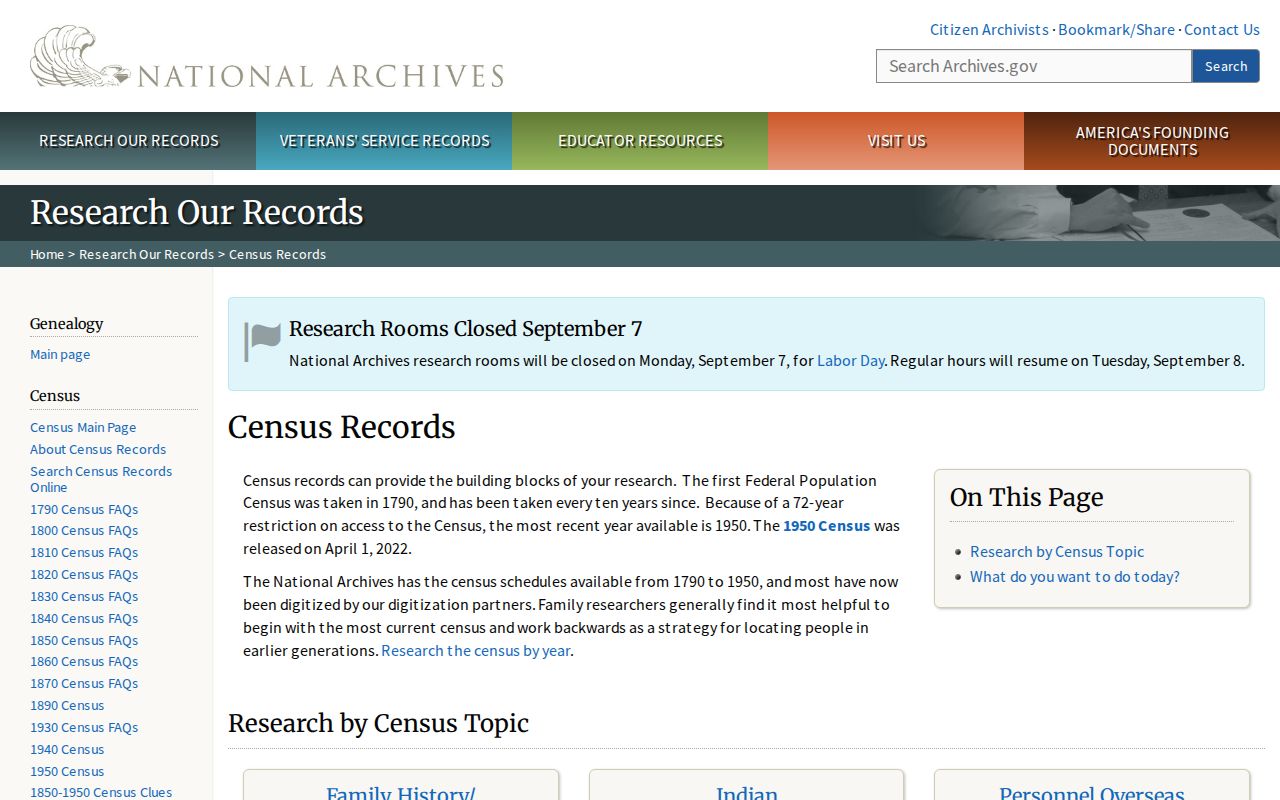
Census evidence supports a dated household connection. It does not replace the legal-description check needed to link that group to a particular parcel.
San Benito Light Address Clues
The digitized San Benito Light is a local archival layer for 1914 through 1925. Notices, advertisements, deaths, organizations, and business references can place a person or address in a narrow time window. Search both surname orders, initials, accents omitted by OCR, and nearby landmarks. Read the scanned page, not only the OCR text, because historical newspaper recognition can miss or distort names.
UNT’s Portal to Texas History curated titles identifies the digitized San Benito Light collection with page images and OCR.
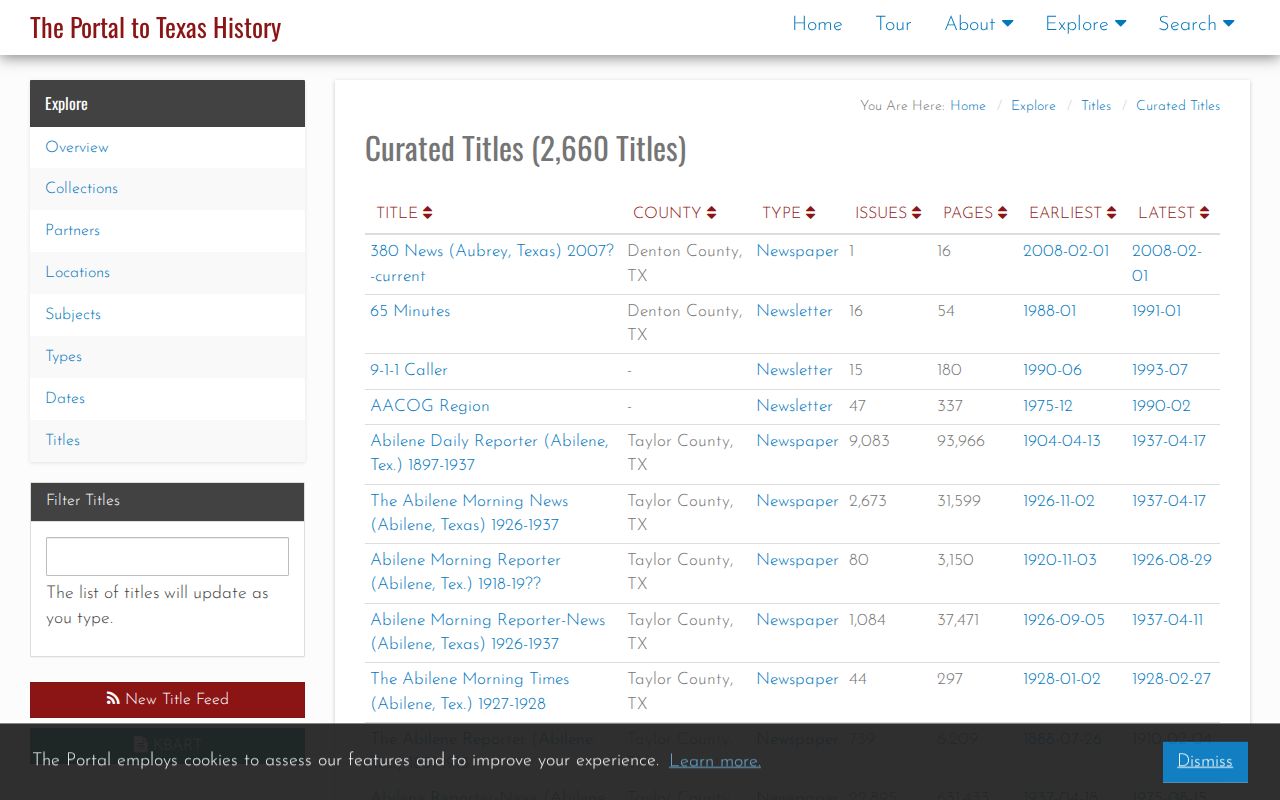
A newspaper mention is a strong date clue, not a complete address record. Compare it with a deed, directory issue, census, or Historical Society file before attaching it to the parcel trail.
San Benito Previous Residents Beyond Deeds
When a person disappears from the property trail, close the gap with the local archive and official record routes. The Historical Society holds people and obituary files, cemetery records, newspapers, yearbooks, maps, diaries, and photographs. The city identifies Memorial Park and the closed Historic City Cemetery, El Nopal, but no online interment-name search was located. Contact the cemetery office or Historical Society rather than relying on an unverified online memorial.
Probate and later deeds can identify heirs, fiduciaries, or a later conveyance. Cameron District Clerk history includes civil images for 1849–1920 and some later search-only ranges, with current access varying. A no-result in any one archive or index is not proof that a person never had a San Benito connection.
Limits on San Benito Previous Residents
Previous-resident research must keep record labels precise. A deed identifies a recorded conveyance. A directory identifies a dated subscriber or listing. A census identifies people together at a historical point. Protected addresses, confidential voter information, sealed files, and other restricted material are not made available by a parcel search. Texas Public Information Act requests do not override a confidentiality statute.
Lawful use. Use San Benito previous-resident records for family, estate, and property-history research. Do not use a historical or current clue to stalk, harass, threaten, or expose any person.